Gentle Speech Play
Simple, heart-led activities designed to help your child find their own voice in a gentle, supportive environment.
Every little voice deserves to be heard, even when it doesn't use words.
— SEND Strong


Our Journey Together

Our journey began with a simple question: how can we help our son find his voice? Through gentle routines and supportive books, we've learned that every child has a unique way of being heard. We share these insights to help you feel less alone on your own path.
Explore our story
The Magic of Music & Early Sounds
Music can be a wonderful way to encourage early communication. Familiar songs, repetition, rhythm and simple actions can help children recognise sounds, anticipate words and enjoy taking turns. Some children may begin by humming, copying actions, making little sounds or joining in with a familiar word.
Simple things to try
- Sing familiar nursery rhymes together.
- Pause before a favourite word and give your child time to respond.
- Use actions, clapping and gestures.
- Repeat favourite songs without worrying about singing perfectly.
- Celebrate sounds, smiles, movements and attempts to communicate.
Remember that joining in doesn't have to mean speaking. Every form of participation matters.
AAC — Every Voice Matters
AAC stands for Augmentative and Alternative Communication. It includes different ways of helping children communicate, such as picture cards, gestures, signing, communication boards and electronic speaking devices.
Some children use AAC alongside speech, while others use it as their main way of communicating. AAC is not simply a stepping stone towards talking. It is a valuable form of communication in its own right.
“Communication is about being understood, not just about spoken words.”
When choosing a communication system, we gently encourage families to seek advice from a speech and language therapist, who can help find the approach that best suits your child.
LEARNING THROUGH PLAY
Picture Cards That Speak
Some simple electronic communication devices allow children to insert illustrated cards into a reader, which then speaks the word aloud.
For example, a child might insert a picture of an apple and hear the word "apple".
These devices can provide opportunities to explore pictures, sounds, vocabulary and communication through play.
They are one type of learning and communication tool, but they do not replace a personalised AAC system where one is needed.

Ideas to share together
Helpful Programmes to Explore
Some educational programmes can be lovely to explore together as a family.
Ms. Rachel — Netflix
Ms. Rachel uses songs, repetition, gestures and interactive activities to introduce early words, sounds and communication.
Official Netflix page: https://www.netflix.com/gb/title/81975233
Try watching together: pause, copy the actions and respond to your child's interests, so the programme becomes a shared moment rather than something to watch alone.
Educational programmes can provide useful ideas for shared activities, but they do not replace everyday interaction or professional speech and language support.
Every child's communication journey is different.
Some children begin with sounds, some with gestures, some with pictures, and some with words. There is no single path that every child must follow.
At SEND Strong, we believe every little voice deserves to be heard.
Every Picture Has a Voice
Encouraging Communication Through Drawing
For children who are non-speaking, minimally speaking or finding spoken words difficult, drawing can be a wonderful way to express themselves.
Sometimes a child may struggle to tell us what they want, how they feel or what they are thinking, but they might enjoy showing us through pictures, colours or simple marks.
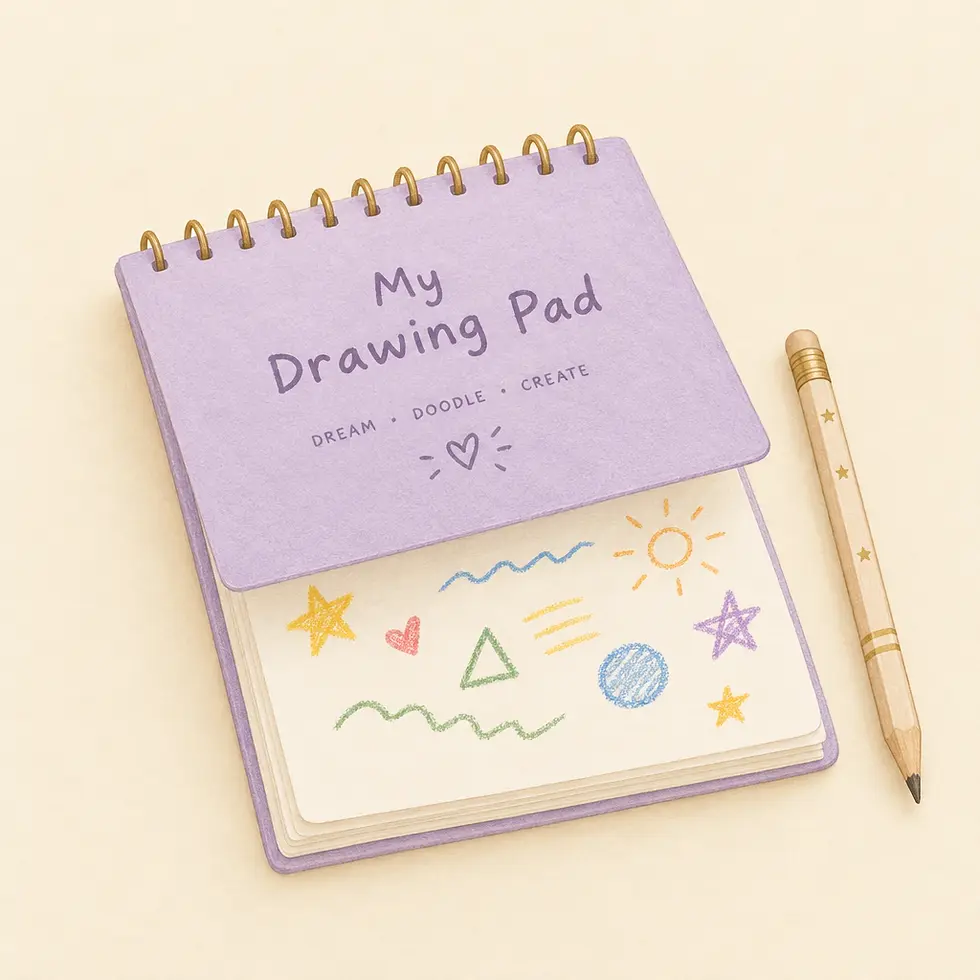
Try offering a wipe-clean whiteboard, magnetic drawing board, chunky crayons or a piece of paper. Sit together, take turns drawing and gently talk about what you are creating.
You could draw their favourite toy, animal or food, giving them opportunities to point, gesture, make sounds or try words if they wish.
These playful interactions can support shared attention, communication and opportunities for language development, without putting pressure on the child to speak.
Remember, every mark matters, and drawing is just one of many valuable ways to communicate.
SEND Strong reminder: Not every voice is heard through words. Sometimes a little picture can say so much. 📷